


Understanding Orgasm: Different Types and How to Reach Them

Despite being one of the most talked-about aspects of human sexuality, the orgasm remains widely misunderstood. Many people grow up with limited or inaccurate information about what an orgasm actually is, how it works, and why experiences can differ so dramatically from one person to the next. Whether you are exploring your own body for the first time or looking to deepen your understanding of sexual health, this guide offers a thorough, science-informed look at orgasms — what they are, the different types that exist, and practical ways to experience them more fully.
What Is an Orgasm?
At its most fundamental level, an orgasm is a physiological and psychological response to sexual stimulation. It is characterized by rhythmic muscular contractions, a release of built-up sexual tension, and a surge of neurochemicals including dopamine, oxytocin, and endorphins. The experience typically lasts between three and fifteen seconds, though subjective perceptions of duration can vary widely. Brain imaging studies have shown that during orgasm, activity spikes dramatically across multiple regions of the brain, including areas associated with reward, emotion, and pain suppression — which helps explain why orgasms can feel so profoundly pleasurable and even emotionally cathartic.
From a biological standpoint, orgasms serve reproductive functions in some species, but in humans they are also deeply connected to emotional bonding, stress relief, and overall well-being. Research has linked regular orgasms to improved sleep quality, reduced anxiety, stronger immune function, and even lower blood pressure. Understanding what an orgasm is on both a physical and emotional level is the first step toward experiencing them more consistently and meaningfully.
The Anatomy Behind Pleasure
To understand the different types of orgasms, it helps to first understand the anatomy involved. The clitoris is far larger than most people realize — it extends internally through two crura and two vestibular bulbs, surrounding much of the vaginal canal. The G-spot, located on the anterior wall of the vagina, is now widely understood to be part of the internal clitoral network rather than a completely separate structure. The A-spot (anterior fornix erogenous zone), the cervix, the nipples, and even non-genital areas like the inner thighs and the back of the knees contain dense nerve endings capable of contributing to sexual arousal. This anatomical richness is precisely why so many distinct pathways to orgasm exist, particularly in people with vulvas.
Different Types of Orgasms Explained
One of the most empowering realizations in sexual education is that orgasms are not one-size-fits-all. Multiple types have been identified, each arising from different sources of stimulation and often described as having qualitatively distinct sensations.
Clitoral orgasms are the most commonly reported type among people with vulvas. They arise from direct or indirect stimulation of the external clitoris and are often described as sharp, intense, and localized. For many women, this is the most reliable pathway to climax. Clitoral and vaginal stimulation products designed specifically for this purpose can make exploration significantly easier, especially for those who find manual stimulation alone to be insufficient.
Vaginal or G-spot orgasms result from internal stimulation of the anterior vaginal wall, approximately five to eight centimeters inside the vaginal opening. These orgasms are often described as deeper, more diffuse, and sometimes accompanied by a sensation of fullness or even a temporary urge to urinate — which typically passes once arousal intensifies. Not everyone can achieve a G-spot orgasm through penetration alone, and that is entirely normal.
Blended orgasms occur when clitoral and vaginal stimulation happen simultaneously, and many people describe them as significantly more intense than either type on its own. A-spot orgasms result from stimulation of the anterior fornix, deeper inside the vaginal canal, and tend to require sustained, consistent pressure. Cervical orgasms are reported by some individuals during deep penetration and are often connected to emotional or spiritual sensations, though they require a high level of arousal and comfort. Nipple orgasms, while less common, are physiologically plausible — nipple stimulation activates the same region of the brain’s sensory cortex as genital stimulation. Finally, mental or mindfulness orgasms, achieved without any physical touch, are reported by a small but documented percentage of people, demonstrating the profound power of the mind-body connection in sexuality.


How to Reach an Orgasm: Practical Guidance
Reaching orgasm consistently — particularly for women — often requires more than physical stimulation alone. Research consistently shows that psychological safety, emotional connection, and reduced performance anxiety are among the most significant factors. Here are several evidence-informed strategies to support a more fulfilling orgasmic experience.
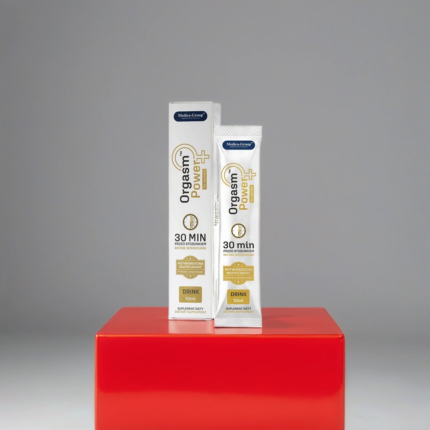
Prioritize arousal before stimulation. The body needs time to become fully engorged and lubricated before genital stimulation is likely to be effective. Extended foreplay — including kissing, massage, and erotic conversation — dramatically increases the likelihood of orgasm. Experiment with different types of touch. Vary pressure, rhythm, and location to discover what feels most pleasurable for your body. Many people find that indirect clitoral stimulation through clothing or a thin layer of fabric is highly effective at early stages of arousal. Use supportive products thoughtfully. Certain aphrodisiacs for women have been shown to heighten sensitivity and increase blood flow to erogenous zones, which can make reaching orgasm both easier and more intense. Practice mindfulness during intimacy. Staying present rather than worrying about performance allows the nervous system to remain in a parasympathetic state — the physiological condition most conducive to arousal and climax. Communicate openly with partners about what feels good, what you want more of, and what you would prefer to avoid. Clear, shame-free communication is one of the single greatest predictors of sexual satisfaction.
Why Some People Struggle to Orgasm
Difficulty reaching orgasm — known clinically as anorgasmia — is far more common than many people realize, affecting an estimated 10 to 15 percent of women consistently. Contributing factors can include stress, hormonal changes, medications (particularly SSRIs and hormonal contraceptives), relationship dynamics, body image concerns, and a history of trauma. It is important to approach these challenges without judgment. Consulting a sex therapist, gynecologist, or sexual health specialist can be enormously beneficial. Many cases of anorgasmia respond well to a combination of therapeutic guidance, physiological support, and intentional self-exploration.
Frequently Asked Questions
What does an orgasm feel like?
Orgasms are highly individual experiences, but they are commonly described as waves of intense pleasure radiating from the genitals throughout the body, accompanied by rhythmic muscle contractions, increased heart rate, and a sense of release or relief. Some people experience full-body warmth, tingling sensations, or even emotional responses such as laughter or tears. The subjective quality often varies depending on the type of stimulation, level of arousal, and emotional context.
Is it normal to never have had an orgasm?
Yes, it is more common than widely acknowledged, particularly among women. Many people do not experience their first orgasm until their twenties or thirties, and some discover the most effective pathways to orgasm only through dedicated self-exploration or sexual education. If you have never had an orgasm and would like to, working with a qualified sex therapist and gradually exploring your own body are both highly recommended first steps.
Can men experience multiple orgasms?
Yes, though it is less commonly discussed. While ejaculation and orgasm are physiologically distinct events in people with penises, some individuals learn to separate them through practice — experiencing the orgasmic sensation without ejaculating and thus bypassing the refractory period. This requires significant body awareness and typically some dedicated practice, but it is anatomically possible.
Do aphrodisiacs really help with reaching orgasm?
Certain natural compounds have genuine physiological effects — increasing blood flow to erogenous zones, boosting libido-related hormones, or reducing anxiety — all of which can support easier and more intense orgasms. Results vary between individuals, but many people find that thoughtfully chosen aphrodisiacs for women meaningfully enhance their sexual experience when combined with sufficient arousal and a relaxed mindset.
Is it possible to orgasm from non-genital stimulation alone?
Yes, for some people. Nipple orgasms are the most frequently reported non-genital orgasm, but documented cases include orgasms triggered by stimulation of the lower back, inner thighs, and even purely through mental focus or meditation. These experiences are less common but physiologically plausible, underscoring the central role the brain plays in sexual pleasure.
Medical Disclaimer
The information provided in this article is intended for general educational and informational purposes only and does not constitute medical advice, diagnosis, or treatment. Sexual health is a highly individual matter, and experiences described here may not reflect every person’s physiology or circumstances. If you are experiencing persistent difficulty with orgasm, sexual pain, reduced libido, or any other sexual health concern, we strongly encourage you to consult a qualified healthcare professional, such as a gynecologist, urologist, or certified sex therapist. No supplement, product, or technique mentioned in this article should be used as a substitute for professional medical guidance. Popper4you does not make any medical claims regarding the products featured on this site.
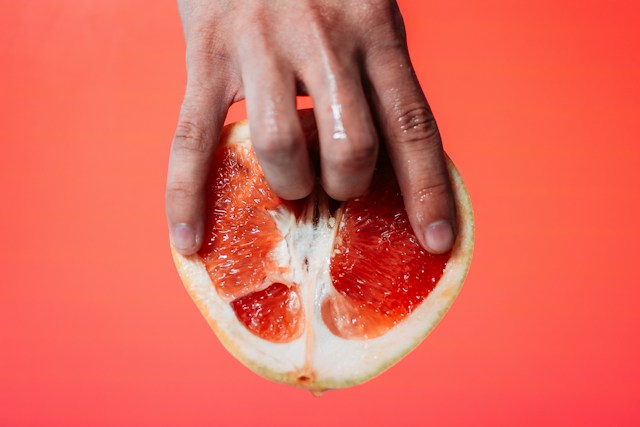
Source of image : Photo by Taras Chernus on Unsplash