


Libido: What Influences It and How to Boost It Naturally

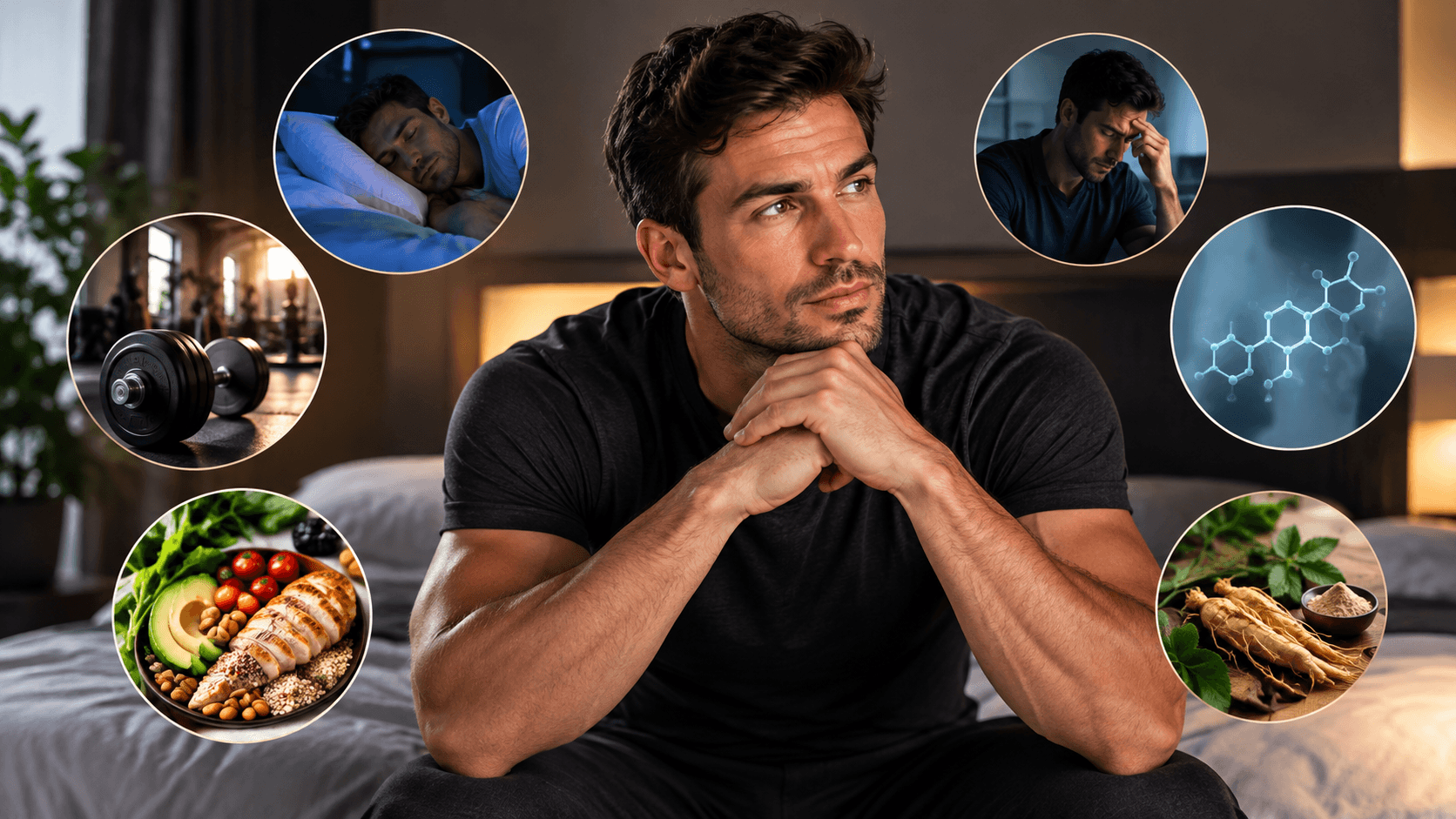
Sexual desire is one of the most fundamental aspects of human health and well-being, yet it is also one of the most misunderstood. Libido — commonly referred to as sex drive — is the internal motivation or desire for sexual activity. It fluctuates naturally throughout life, influenced by an intricate web of biological, psychological, and social factors. When libido drops significantly or persistently, it can affect self-esteem, relationships, and overall quality of life. Understanding what shapes sexual desire and how to nurture it is the first step toward reclaiming a fulfilling intimate life.
What Is Libido and Why Does It Vary?
Libido is not a fixed dial set at birth — it is dynamic and responsive to the conditions of your life. Some people naturally experience a high sex drive, while others have a lower baseline, and both can be completely normal. The key concern arises when someone notices a significant and unwanted drop in their libido compared to what was previously typical for them. Variations in sexual desire are influenced by age, relationship status, mental health, hormonal cycles, medications, and lifestyle habits. Recognising this variability is essential before concluding that something is “wrong.”
Key Factors That Influence Libido
Several interconnected factors shape sexual desire on a daily basis. Understanding these can help you identify what may be suppressing your drive:
Hormones: Testosterone is the primary hormone driving libido in both men and women, though women have far lower levels. In men, declining testosterone with age — a process sometimes called andropause — is a leading cause of low libido in men. In women, oestrogen and progesterone fluctuations during the menstrual cycle, pregnancy, or menopause significantly affect desire. Thyroid imbalances and elevated cortisol (the stress hormone) can also suppress sexual drive.
Mental Health: Anxiety, depression, trauma, and chronic stress are among the most powerful suppressors of libido. When the mind is overwhelmed, the body’s resources are redirected away from reproduction and intimacy. Depression in particular is closely linked to low libido, and unfortunately, many antidepressant medications list reduced sex drive as a side effect.
Relationship Dynamics: Emotional intimacy, communication, trust, and unresolved conflict all play a significant role. A person may have perfectly healthy hormonal levels yet experience low desire due to relational friction or a lack of emotional connection with their partner.
Lifestyle Factors: Poor sleep, excessive alcohol consumption, smoking, a sedentary lifestyle, and an unhealthy diet all contribute to diminished libido over time. These habits affect hormonal balance, cardiovascular health, and energy levels — all of which are essential for a healthy sex drive.
Low Libido in Men: Specific Causes and Concerns
Low libido in men is more common than many realise, yet cultural expectations around masculinity often prevent men from discussing it openly. After the age of 30, testosterone levels decline by roughly 1% per year. This gradual decrease can lead to reduced interest in sex, fatigue, mood changes, and difficulty with erections. Other contributors to low libido in men include obesity, diabetes, high blood pressure, sleep apnoea, and the use of certain medications such as antihypertensives or opioids.
Psychological pressure — including performance anxiety and body image concerns — also plays a major role. Men who feel anxious about sexual performance may begin avoiding sexual situations altogether, which can be mistaken for a lack of desire when it is actually a form of self-protection.
Natural Ways to Boost Sex Drive
The good news is that there are many natural ways to boost sex drive without immediately resorting to prescription medications. A holistic approach that addresses the body and the mind is usually the most effective strategy.
Exercise Regularly: Physical activity — particularly resistance training — is one of the most effective natural testosterone boosters. Cardiovascular exercise improves circulation, which is vital for arousal and performance. Even 30 minutes of moderate activity per day can make a meaningful difference in energy and desire.
Prioritise Sleep: Testosterone is primarily produced during deep sleep. Chronic sleep deprivation has been shown to lower testosterone levels significantly — even in young, healthy men — within a week. Aim for 7–9 hours of quality sleep per night.
Manage Stress: Cortisol and testosterone have an inverse relationship: when cortisol rises, testosterone tends to fall. Practices such as mindfulness, meditation, breathwork, yoga, and spending time in nature can all help regulate the stress response and support healthy hormonal balance.
Eat a Libido-Supporting Diet: Zinc-rich foods (oysters, pumpkin seeds, red meat), healthy fats (avocado, olive oil, nuts), and antioxidant-rich fruits and vegetables support hormone production and blood flow. Reducing sugar and processed foods helps maintain insulin sensitivity, which is closely linked to testosterone levels.
Explore Natural Aphrodisiacs: Certain herbs and natural compounds have been used for centuries to enhance sexual desire and performance. Maca root, ashwagandha, ginseng, tribulus terrestris, and horny goat weed are among the most researched. For those looking to explore this route, aphrodisiacs offer a wide selection of science-backed supplements designed to naturally support libido and sexual vitality.


For men specifically dealing with reduced testosterone or performance concerns, targeted formulations can make a significant difference. You can explore aphrodisiacs for men that are designed to address the unique hormonal and circulatory needs of male sexual health. Similarly, women experiencing hormonal fluctuations, post-menopausal changes, or simply a decreased interest in intimacy may benefit from exploring aphrodisiacs for women, formulated to work with the female hormonal system to naturally restore desire and sensitivity.
When to Seek Professional Help
While lifestyle changes and natural supplements can be highly effective, there are situations where professional evaluation is essential. If low libido is accompanied by symptoms such as significant fatigue, unexplained weight gain, depression, erectile dysfunction, or pain during sex, a visit to a healthcare provider is strongly recommended. Blood tests can identify hormonal imbalances, thyroid disorders, or other underlying conditions. A sex therapist or relationship counsellor may also be invaluable if psychological or relational factors are at play. There is no shame in seeking support — sexual health is health.
The Role of Communication in Desire
How to increase libido is not always a question answered by supplements or hormones alone. Open, honest communication with a partner about needs, desires, boundaries, and stressors can be profoundly transformative. Many couples report that simply talking more openly about their intimate lives leads to a renewed sense of connection and attraction. Creating an environment of emotional safety — where both partners feel seen and valued — is one of the most powerful aphrodisiacs of all.
Frequently Asked Questions
What is considered a normal libido?
There is no single “normal” when it comes to libido. Sexual desire varies widely between individuals and across different stages of life. What matters most is whether your current level of desire feels right for you and is not causing distress or affecting your relationships. If you notice a significant decline from your personal baseline, that is worth exploring.
Can stress really cause low libido?
Absolutely. Chronic stress elevates cortisol levels, which directly suppresses testosterone and other hormones involved in sexual desire. Additionally, stress depletes mental and physical energy, making intimacy feel like a low priority. Managing stress through exercise, sleep, mindfulness, and social connection is one of the most effective strategies for restoring libido.
Are natural aphrodisiacs safe to use?
Many natural aphrodisiacs — such as maca, ashwagandha, ginseng, and tribulus — have strong safety profiles and centuries of traditional use behind them. However, quality and dosage matter greatly. It is always advisable to choose reputable, tested products and to consult with a healthcare professional if you have existing health conditions or take medications, as some herbs can interact with certain drugs.
How quickly can I expect results from lifestyle changes?
Some changes — like improving sleep or reducing alcohol — can produce noticeable differences in energy and desire within one to two weeks. Hormonal improvements from consistent exercise or dietary changes typically take four to eight weeks to manifest. Natural supplements generally require two to four weeks of consistent use to show their full effect. Patience and consistency are key.
Is low libido in men always related to testosterone?
Not always. While testosterone is a primary driver of male sexual desire, low libido in men can also stem from psychological factors such as depression, anxiety, or relationship issues; lifestyle factors such as poor sleep and obesity; or side effects from medications. A comprehensive evaluation is important to identify the true root cause rather than assuming it is purely hormonal.
Medical Disclaimer
The information provided in this article is intended for general educational and informational purposes only. It does not constitute medical advice, diagnosis, or treatment, and should not be used as a substitute for professional medical consultation. Individual health conditions vary, and what works for one person may not be appropriate for another. If you are experiencing persistent low libido, hormonal imbalances, sexual dysfunction, or any related symptoms, please consult a qualified healthcare professional before making changes to your diet, lifestyle, or supplement regimen. The mention of specific supplements or natural remedies does not imply that they are guaranteed to be effective or suitable for your individual situation. Always read product labels and follow recommended dosages. Popper4you assumes no responsibility for outcomes resulting from the use or misuse of any information presented in this article.