


Wet Dream and Nocturnal Emission: What Is the Difference, Why They Happen, and What Is Completely Normal

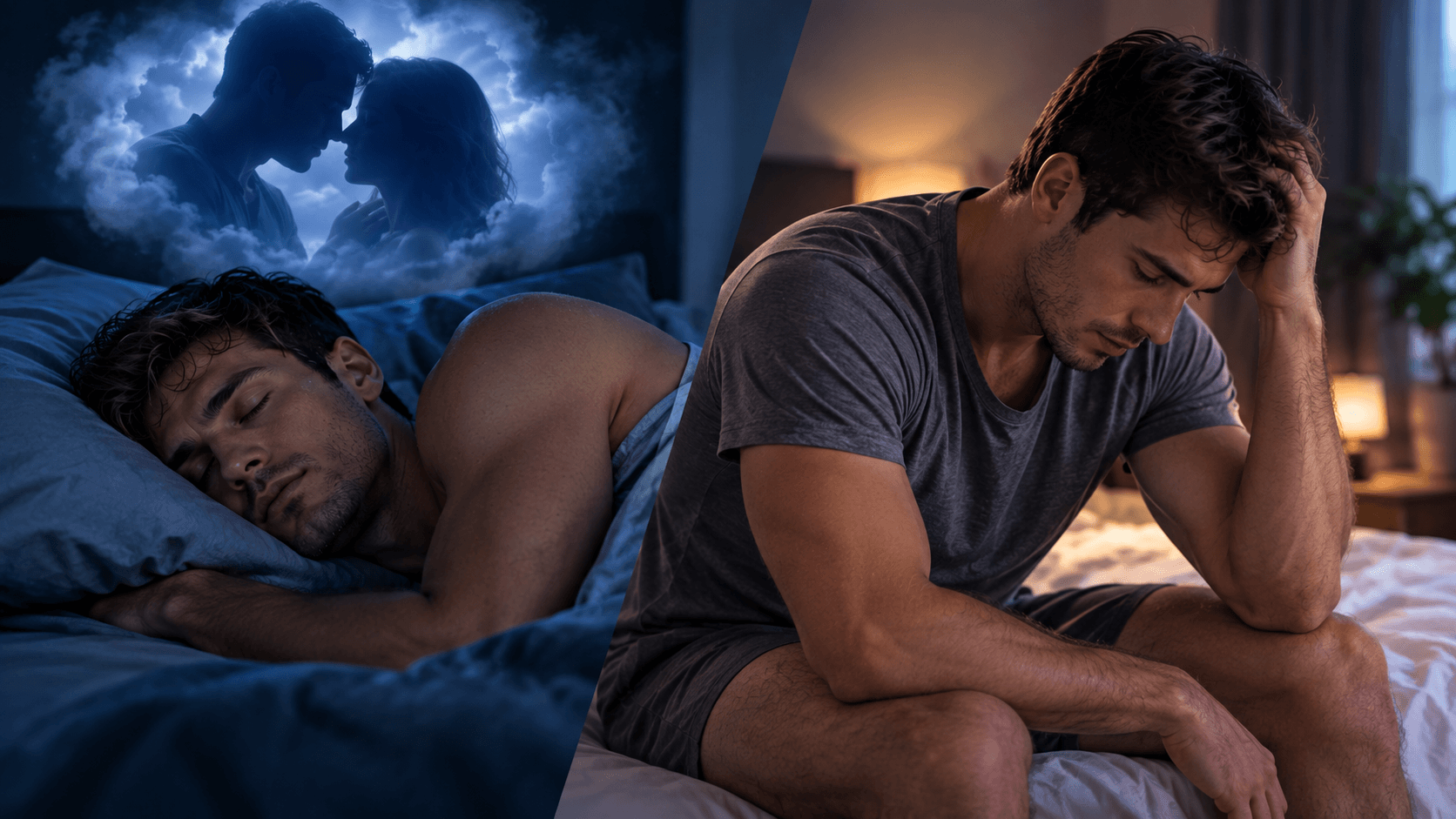
Few topics in human sexuality are surrounded by as much confusion, embarrassment, or misinformation as wet dreams and nocturnal emissions. Whether you are a curious teenager, a fully grown adult who has just experienced one for the first time, or simply someone who wants to understand their body better, this guide will give you clear, science-backed answers. We will define wet dream, explore the meaning of nocturnal emission, explain the causes in adults, and clarify exactly what falls within the range of completely normal human experience.
Defining a Wet Dream: What Does It Actually Mean?
To properly define wet dream, we first need to separate the term from shame and myth. A wet dream is a spontaneous orgasm that occurs during sleep, often — but not always — accompanied by an erotic dream. The term is colloquial and most commonly associated with males, although people of all genders can experience the phenomenon. In medical and scientific literature, the experience is referred to as a nocturnal emission.
The meaning of wet dream literally describes what happens: the sleeper wakes up to find that they have ejaculated (in the case of those with a penis) or experienced vaginal lubrication and orgasmic contractions (in the case of those with a vulva) while asleep. The word “wet” refers to the bodily fluid produced, and “dream” reflects the fact that sleep — and sometimes dreaming — is involved, though a person does not need to remember any dream for a nocturnal emission to occur.
Nocturnal Emission vs. Wet Dream: Is There a Real Difference?
In everyday conversation, wet dream and nocturnal emission are used interchangeably, and for most practical purposes they mean the same thing. However, there is a subtle clinical distinction worth noting. The term nocturnal emission is strictly physiological — it describes the involuntary release of semen or vaginal fluid during sleep without necessarily implying that any dream occurred. A wet dream, by contrast, carries the cultural connotation of an erotic dream leading to climax.
In reality, research on sleep physiology shows that the majority of nocturnal emissions happen during REM (Rapid Eye Movement) sleep, the stage most associated with vivid dreaming. Yet many people who experience them report no dream memory whatsoever. So while the terms overlap almost completely, “nocturnal emission” is the broader, more precise medical label, whereas “wet dream” is the culturally loaded everyday expression.
How Do You Get a Wet Dream? The Science Behind It
Understanding how you get a wet dream requires a brief look at sleep physiology. During REM sleep, the autonomic nervous system becomes highly active. Blood flow to the genitals increases naturally — a process called nocturnal penile tumescence in males and clitoral engorgement in females. This physiological arousal has nothing to do with conscious sexual thought; it is a routine part of the sleep cycle that occurs multiple times per night.
When the level of genital arousal crosses a certain threshold, the body can trigger a reflex orgasm. In males, this results in ejaculation. In females, it results in rhythmic contractions of the vaginal and pelvic muscles along with increased lubrication. The brain may simultaneously generate erotic dream imagery, or it may not — the physical process can proceed entirely on its own. Think of it less as “something you do” and more as something your nervous system does automatically, much like how your heart keeps beating without any conscious instruction.
Nocturnal Emission in Adults: Causes You Should Know
Many people assume that nocturnal emissions are exclusively a teenage phenomenon associated with puberty. This is a myth. Nocturnal emission in adults is a well-documented reality with several identifiable causes.
Sexual abstinence or reduced sexual activity: When ejaculation or orgasm does not occur regularly through masturbation or partnered sex, the body accumulates seminal fluid and hormonal pressure. Over time, a nocturnal emission becomes the body’s natural pressure-release valve. This is one of the most common causes in adults.
Hormonal fluctuations: Testosterone peaks during the night and early morning hours. Elevated testosterone levels heighten genital sensitivity and can make nocturnal emissions more likely, especially in men in their late twenties and thirties when testosterone regulation is still robust.
Psychological arousal and stress: High levels of stress, sexual frustration, or suppressed sexual thoughts during waking hours can manifest as erotic dreams during sleep. The resulting mental arousal can be enough to trigger a physical response.
Certain medications: Some antidepressants, particularly SSRIs, are paradoxically linked to increased nocturnal emissions in some users. The exact mechanism is not fully understood but may be related to serotonin’s complex role in sleep architecture and orgasm reflex.
Sleep quality and REM patterns: People who experience more REM sleep — due to sleep debt, certain sleep schedules, or recovery sleep after insomnia — may have more frequent nocturnal emissions simply because they spend more time in the physiologically arousing stage of sleep.
Wet Dreams in Adults: Are They Normal at Every Age?
Wet dreams in adults are entirely normal and can occur at virtually any age. Studies have shown that the majority of males experience at least one nocturnal emission during their lifetime, and surveys suggest that a meaningful proportion of adult males continue to have them well into their forties, fifties, and even sixties. The frequency typically decreases with age and with more regular sexual activity, but it never becomes pathological simply because it is occurring.
For people with vulvas, nocturnal orgasms are less frequently discussed but equally valid. Research by sleep scientist Barry Komisaruk and colleagues has confirmed that women can and do experience orgasms during sleep, sometimes without any genital stimulation and sometimes during vivid sexual dreams. These are physiologically analogous to nocturnal emissions in males and carry the same normal status.
Frequency varies enormously between individuals. Some adults experience wet dreams weekly, others once a year, and others never recall having one at all — all of these scenarios fall within the normal range. There is no medically established “correct” frequency.
What Nocturnal Emissions Tell You About Your Health
In the absence of other symptoms, a nocturnal emission is not a signal of any health problem. It does not indicate excessive sexual desire, hormonal imbalance, or reproductive dysfunction. In fact, regular nocturnal emissions in males are sometimes interpreted as a positive sign of healthy testicular function and normal REM sleep cycles.
However, if nocturnal emissions are accompanied by pain, blood in the ejaculate, or sudden dramatic changes in frequency, consulting a healthcare provider is advisable. These could, in rare cases, indicate prostate issues, infection, or neurological changes worth investigating. But absent these red flags, there is no reason for concern.
Myths, Stigma, and Cultural Attitudes
Across many cultures and throughout history, wet dreams have been treated with suspicion, shame, or moral condemnation. Some traditional belief systems have incorrectly linked nocturnal emissions to spiritual weakness, excessive masturbation, or physical health decline. Modern medicine firmly rejects all of these ideas. Nocturnal emissions are an involuntary physiological process — as automatic and morally neutral as sneezing or digesting food.
Dispelling this stigma matters because shame around normal bodily functions can lead to anxiety, sleep disruption, and avoidance of sexual health conversations with medical professionals. Understanding the biology is the first step toward a healthier relationship with your own body.
Frequently Asked Questions
What is the exact definition of a wet dream?
A wet dream is a spontaneous orgasm that occurs during sleep, typically resulting in ejaculation in people with a penis or vaginal lubrication and contractions in people with a vulva. It is the colloquial term for what medicine calls a nocturnal emission. It can happen with or without an accompanying erotic dream and is driven by normal autonomic nervous system activity during REM sleep.
How do you get a wet dream — can you trigger one on purpose?
Nocturnal emissions are involuntary and cannot be reliably triggered on demand. They are the result of accumulated physiological arousal during REM sleep. Factors like sexual abstinence, elevated testosterone at night, and vivid REM dreaming increase the likelihood, but there is no guaranteed method to intentionally produce one. They happen to you; you do not make them happen consciously.
Is nocturnal emission in adults a sign of something wrong?
No. Nocturnal emission in adults is a normal physiological event with no inherent medical significance. Common causes include sexual abstinence, REM sleep cycles, and hormonal fluctuations. Unless accompanied by pain, blood, or dramatic unexplained changes in frequency, there is no cause for alarm. If you are concerned, speaking with a general practitioner or urologist can provide personalized reassurance.
Do women have wet dreams too?
Yes. People with vulvas can and do experience nocturnal orgasms during sleep. These involve clitoral engorgement, vaginal lubrication, and orgasmic contractions — all driven by the same REM sleep arousal mechanisms that cause nocturnal emissions in males. They are less frequently discussed in popular culture but are equally normal and well-documented in scientific literature.
How often is it normal to have wet dreams as an adult?
There is no universally “correct” frequency. Some adults experience wet dreams once a week, others once every few months, and some never recall having one. Frequency tends to decrease with age and with more regular sexual activity. All of these patterns are considered normal by medical standards, provided no other symptoms are present.
Medical Disclaimer
The information provided in this article is intended for general educational and informational purposes only. It does not constitute medical advice, diagnosis, or treatment. The content reflects current general scientific understanding and is not a substitute for consultation with a qualified healthcare professional. Individual experiences with nocturnal emissions and sexual health vary widely, and if you have specific concerns about your health, symptoms, or any changes in your body, you should seek the advice of a licensed physician, urologist, gynecologist, or other relevant medical specialist. Popper4you does not assume any liability for the use or interpretation of the information contained herein.