


Premature Ejaculation: How to Delay It?


Premature ejaculation (PE) is one of the most common sexual concerns affecting men worldwide. Studies suggest that anywhere from 20% to 30% of men experience early ejaculation at some point in their lives, making it far more prevalent than many assume. Despite how widespread it is, it remains a topic many men feel reluctant to discuss. The good news? There are well-established, effective strategies to delay ejaculation and regain confidence in the bedroom. This article breaks down the causes, techniques, and treatment options available — including products specifically designed to delay premature ejaculation — so you can make informed decisions about your sexual health.
What Is Premature Ejaculation?
Premature ejaculation is defined as ejaculation that occurs sooner than a man or his partner would like, typically within one to two minutes of penetration. It can be classified as either lifelong (primary), meaning it has occurred since a man’s first sexual experiences, or acquired (secondary), which develops after a period of normal sexual function. Both types can cause significant distress and interpersonal difficulties. While PE is primarily psychological in some cases — stemming from performance anxiety, stress, or relationship issues — it can also have biological roots such as hypersensitivity of the penile skin, hormonal imbalances, or neurological factors.
Common Causes of Early Ejaculation
Understanding why early ejaculation happens is the first step toward addressing it effectively. The causes are often multifaceted and may include a combination of psychological and physiological factors. Psychological contributors include anxiety about sexual performance, depression, guilt, unrealistic expectations about sex, and unresolved relationship issues. On the biological side, research has pointed to serotonin levels as a key factor — men with lower levels of serotonin in certain brain regions tend to ejaculate more quickly. Additionally, hypersensitivity of the glans penis, heightened reflex activity in the ejaculatory muscles, and even genetics may play a role. Identifying the underlying cause helps determine the most appropriate treatment pathway.
Behavioral Techniques to Last Longer in Bed
Several evidence-backed behavioral strategies can significantly help men learn how to last longer in bed. These techniques require practice and patience but can yield lasting results without any medical intervention.
The Stop-Start Method: Developed by sex researcher James Semans, this technique involves stimulating the penis until you feel close to ejaculation, then stopping all stimulation for 20 to 30 seconds until the urge subsides. Repeating this cycle multiple times during a sexual encounter trains your body to tolerate higher levels of arousal without ejaculating. Over time, this helps build ejaculatory control.
The Squeeze Technique: Similar to the stop-start method, this approach involves applying firm pressure to the tip of the penis (the glans) just before the point of no return. Squeezing for about 10 to 20 seconds reduces arousal and allows you to continue sexual activity with greater control. Many sex therapists recommend this technique as part of a broader program to stop premature ejaculation.
Pelvic Floor Exercises (Kegels): Strengthening the pelvic floor muscles has been shown in clinical studies to improve ejaculatory control. By repeatedly contracting and relaxing the muscles used to stop urination, men can gain greater voluntary control over the ejaculatory reflex. Regular Kegel exercises — performed daily over a period of weeks — can produce measurable improvements in men seeking help with premature ejaculation.

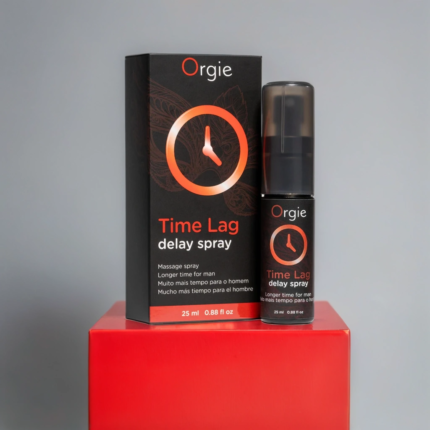
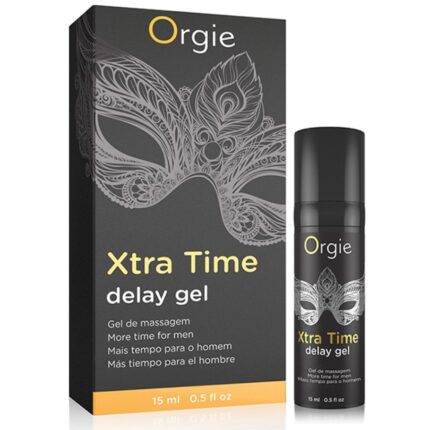
Desensitizing Products and Topical Solutions
Topical treatments are among the most immediately effective options for men looking to delay ejaculation. These products work by temporarily reducing the sensitivity of the penis, allowing for prolonged sexual activity. Lidocaine and benzocaine-based sprays, creams, and gels are the most commonly used. When applied 10 to 20 minutes before intercourse and wiped off prior to penetration (to prevent numbing effects on a partner), they can substantially extend the time before ejaculation occurs. For men looking for discreet, ready-to-use options, browsing a trusted selection of solutions to help delay premature ejaculation can be an excellent starting point.
Delay condoms are another practical solution. These condoms come pre-lubricated on the inside with a mild desensitizing agent, providing a subtle numbing effect that reduces stimulation without eliminating pleasure. They’re convenient, widely available, and require no additional preparation.
Supplements for Premature Ejaculation
Interest in natural supplements for premature ejaculation has grown considerably in recent years. While no supplement is a guaranteed cure, several have shown promising results in supporting male sexual endurance and reducing performance anxiety. Magnesium has been studied for its role in ejaculatory function — some research suggests that magnesium deficiency may be linked to PE. Zinc is another mineral connected to testosterone production and overall sexual health. Herbal supplements such as ashwagandha, known for its adaptogenic properties, may help reduce performance anxiety and cortisol levels, indirectly improving ejaculatory control. Tribulus terrestris and maca root are also popular among men seeking natural support for sexual stamina. As always, it’s important to consult a healthcare provider before starting any new supplement regimen, particularly if you are taking medications or have underlying health conditions.
Psychological Support and Couples Therapy
For many men, addressing the psychological dimensions of PE is just as important as any physical treatment. Cognitive-behavioral therapy (CBT) has been used effectively to help men reframe negative thoughts surrounding sexual performance and build healthier mental frameworks. Sex therapy — either individually or with a partner — can also provide structured guidance, communication tools, and practical exercises. Couples who work through PE together often report stronger intimacy and improved overall relationship satisfaction. Mindfulness-based approaches, which teach men to stay present and focused during sex rather than anticipating failure, have also shown encouraging results in clinical settings.
When to See a Doctor
If premature ejaculation is causing significant distress, affecting your relationship, or doesn’t improve with self-help techniques, it’s important to seek medical advice. A urologist or sexual health specialist can evaluate whether there are hormonal imbalances, neurological issues, or other underlying conditions contributing to PE. In some cases, prescription medications such as selective serotonin reuptake inhibitors (SSRIs) — used off-label — or topical anesthetic formulations may be recommended as part of a comprehensive treatment plan. Seeking professional help is a sign of strength, not weakness, and can lead to lasting improvement in sexual health and quality of life.
Frequently Asked Questions
Is premature ejaculation a permanent condition?
Not necessarily. Many men experience PE at some point in their lives, and for a significant portion, it is a temporary issue triggered by stress, anxiety, or a new relationship. With the right combination of behavioral techniques, topical products, supplements, and psychological support, most men see substantial improvement. Even for those with lifelong PE, modern treatment options have made it highly manageable.
Can delay sprays or creams harm my partner?
Most topical delay products are formulated to be safe for both partners when used as directed. However, it is generally recommended to apply the product and allow it to absorb — or wipe off any excess — before intercourse to minimize transfer to a partner. Always check the product instructions and consult a healthcare provider if you or your partner has sensitive skin or known allergies to local anesthetics.
How long does it typically take for behavioral techniques to work?
Results vary from person to person, but many men begin to notice improvement within four to eight weeks of consistently practicing techniques such as the stop-start method or Kegel exercises. Patience and regular practice are key. Combining behavioral approaches with other treatments — such as topical solutions or therapy — often accelerates progress.
Are supplements for premature ejaculation scientifically proven?
The scientific evidence for supplements in treating PE is still emerging and generally less robust than for pharmaceutical treatments. However, certain supplements — particularly those targeting anxiety, hormonal balance, and overall sexual health — have shown promising results in preliminary studies. They are best used as a complementary strategy alongside other treatments rather than as a standalone solution.
What is the most effective overall strategy for stopping premature ejaculation?
Most sexual health experts recommend a combined approach: behavioral techniques to build ejaculatory control, topical products for immediate support, psychological or couples counseling to address mental and relational factors, and, where appropriate, medical consultation for pharmacological options. A holistic approach that addresses both the body and mind typically yields the best long-term outcomes for men seeking help with premature ejaculation.
Medical Disclaimer
The information provided in this article is intended for general educational and informational purposes only. It does not constitute medical advice, diagnosis, or treatment. Premature ejaculation can have a variety of underlying causes, and individual experiences differ significantly. Always consult a qualified healthcare professional, such as a doctor, urologist, or certified sex therapist, before beginning any new treatment plan, including behavioral techniques, supplements, or topical products. Do not disregard professional medical advice or delay seeking it based on information read in this article. The use of any supplement or product should be done in accordance with the manufacturer’s guidelines and under the supervision of a healthcare provider, particularly if you have pre-existing medical conditions or are taking prescription medications. Popper4you does not make medical claims and encourages all readers to prioritize their health and well-being through informed, professional guidance.