


Pheromone Experiences: What Men and Women Really Say


Introduction: The Gap Between Curiosity and Science
Walk into any conversation about attraction and it won’t be long before someone mentions pheromones. These invisible chemical signals have captured the popular imagination for decades, promising to unlock primal attraction, boost social confidence, and fundamentally change how others perceive us. But how much of this is biology — and how much is brilliant marketing? When you actually dig into do pheromones actually work reviews from real users across forums, social communities, and consumer platforms, the picture becomes far more nuanced and genuinely fascinating than a simple yes or no answer.
The curiosity is understandable. Human beings are wired to seek connection, and the idea that a chemical compound spritzed on your skin could tilt social dynamics in your favor is undeniably compelling. Yet scientists and skeptics have long pushed back on sweeping claims. The truth, as this article will explore, lies somewhere between laboratory evidence and lived experience — and what real users report is worth examining carefully.
The Science Behind Pheromones: Mechanisms, Compounds, and Receptors
Pheromones are chemical signals secreted by organisms to trigger specific behavioral or physiological responses in members of the same species. In insects and many mammals, the system is remarkably well-defined. Mice, for example, rely on a structure called the vomeronasal organ (VNO) to detect pheromonal cues that regulate mating, territorial behavior, and social hierarchy.
In humans, the story is more complicated. While humans possess a vestigial VNO, most researchers agree it is non-functional as a sensory organ in adults. This led many scientists in the 1990s and early 2000s to dismiss human pheromones entirely. However, more recent research has shifted the conversation. Studies published in journals such as Chemical Senses and PLOS ONE suggest that humans may detect chemosignals through the main olfactory epithelium — the same tissue responsible for ordinary smell — rather than through a dedicated pheromone organ.
The compounds most frequently studied include androstenone, androstenol, androstadienone, and estratetraenol. Androstadienone, found in male sweat and semen, has been shown in double-blind trials to influence mood and attention in women, particularly improving their ability to focus on emotional stimuli. Estratetraenol, found in female urine, appears to have complementary effects on male perception. These are not magic attraction switches — but they represent genuine chemical communication that operates largely below conscious awareness.
The key takeaway from current science is this: human chemosignaling is real, but its effects are subtle, context-dependent, and profoundly influenced by individual biology, baseline hormone levels, and emotional state. Commercial pheromones products are typically formulated around these studied compounds, blended with carrier fragrances to make them wearable in everyday social settings.
What Real Users Actually Report: Men vs. Women
Sifting through hundreds of genuine user reviews across Reddit threads, specialized forums, and verified purchase sections reveals consistent patterns — even when individual experiences vary considerably. The honest answer to whether pheromones work is: sometimes, for some people, in certain contexts. And that qualified answer is itself revealing.
Male User Experiences
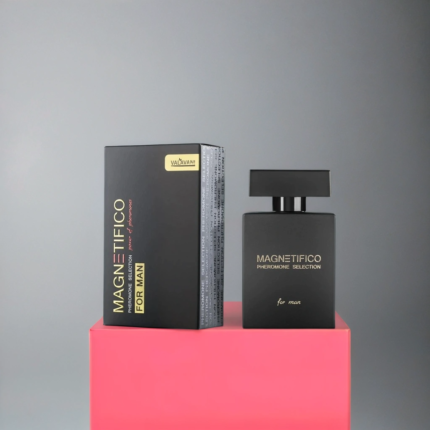
Men using pheromones for men most commonly report three categories of experience. The first is increased social engagement — strangers, colleagues, and acquaintances appear warmer, more talkative, and more likely to initiate conversation. The second is what many users describe as a “respect effect,” where they feel taken more seriously in professional environments. The third, and perhaps most interesting, is the confidence feedback loop.
This loop works as follows: a man applies a pheromone product and enters a social situation with heightened expectation. Even if the chemical compound has no direct effect on those around him, his own body language shifts — he stands taller, makes more eye contact, projects more ease. Others respond to these non-verbal cues. The result feels like the pheromone is working, and in a functional sense, it is — just not exclusively through chemistry. Many experienced users acknowledge this dynamic openly, and rather than viewing it as a placebo, they embrace it as a genuine tool for social performance.
Female User Experiences
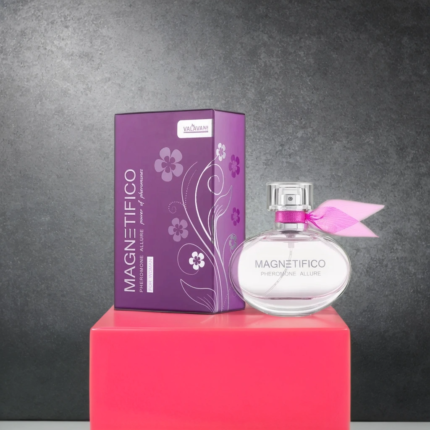
Women exploring pheromones for women report a somewhat different profile of effects. Reviews frequently mention that others — both men and women — seem more protective, attentive, and nurturing. Some women describe a softening of social tension in mixed groups. Others note that female-formulated pheromone blends containing compounds like estratetraenol or copulins seem to position them as more approachable and socially magnetic without conveying aggression.
Interestingly, several female reviewers highlight that the most profound effect they noticed was on their own emotional state. Certain blends produced a sense of calm confidence that they found difficult to attribute entirely to placebo. Given the research showing that olfactory compounds can directly influence cortisol and mood-regulating neurotransmitters, this self-directed effect is biologically plausible.
The Skeptical Minority
Not every reviewer is a convert. A meaningful segment of users — perhaps 20 to 30 percent based on aggregated review sentiment — report noticing no discernible effects. These users often conclude that pheromone products are expensive fragrance with clever marketing. Their skepticism is legitimate and deserves acknowledgment. Efficacy is not universal, and honest journalism demands that caveat be stated clearly.
Practical Application: Getting the Most From Pheromone Products
If you decide to explore pheromone products, application strategy matters significantly. Here are evidence-informed and user-validated tips:
- Apply to pulse points: Wrists, neck, and behind the ears generate body heat that helps diffuse the chemical compounds into the surrounding air. Avoid over-applying — more is rarely better with chemosignals.
- Layer with a complementary fragrance: Many pheromone products are designed to be worn under a light cologne or perfume. The carrier fragrance makes the product socially appropriate while the active compounds work subtly beneath.
- Give it time: Users who report the strongest results typically experiment with a product for at least two to four weeks before drawing conclusions. Individual body chemistry interacts with formulas differently.
- Match product to context: Blends marketed for romantic attraction may differ significantly from those designed for professional authority or social warmth. Read formulation descriptions carefully and choose based on your primary social goal.
- Stay hydrated and maintain baseline hygiene: Natural body odor interacts with pheromone compounds. Clean skin with balanced natural scent creates the best canvas for pheromone performance.
- Track your own confidence levels: Keep a brief journal of social interactions on days you use the product versus days you don’t. This helps separate chemical effect from psychological priming.


Frequently Asked Questions
Do pheromone products work the same for everyone?
No, and this is one of the most important things to understand before purchasing. Individual body chemistry, hormone baseline, skin pH, and even diet can influence how pheromone compounds interact with your natural scent and how others respond to the combined signal. Some users experience noticeable social changes within days; others report minimal effects after weeks of consistent use. The scientific literature supports this variability — pheromone sensitivity differs across individuals, and there is currently no reliable way to predict who will be most responsive before trying a product. This is why reputable brands often offer smaller trial sizes.
How long does it take to notice results from pheromone products?
Most experienced users and product formulators suggest allowing a minimum of two to four weeks of consistent daily use before evaluating effectiveness. Early use may be skewed by novelty effects — heightened self-awareness or increased confidence from expectation — which can gradually normalize. Conversely, some users report that the subtlest but most genuine social effects only become apparent after the product has been worn across a variety of social settings. Keeping a simple log of social interactions can help you identify patterns that might otherwise go unnoticed against the noise of daily life.
Are there any side effects or risks associated with pheromone products?
For the vast majority of healthy adults, commercially available pheromone products are considered low-risk. The compounds used — such as androstenone, androstenol, and androstadienone — are naturally occurring in human secretions and are used in concentrations consistent with or slightly above natural levels. Skin sensitivity to carrier ingredients or fragrance components is the most commonly reported adverse effect, and patch testing on a small area before full application is always advisable. People with fragrance allergies or reactive skin conditions should review ingredient lists carefully and consult a healthcare provider if uncertain. There is no credible evidence that properly formulated pheromone products disrupt hormonal function when used as directed.
Can pheromone products be worn alongside regular cologne or perfume?
Yes, and in fact many products are specifically designed for layering. Pheromone compounds are typically odorless or carry only a faint musky scent at standard concentrations, which means they integrate seamlessly beneath a primary fragrance. The key is to apply the pheromone product first directly to pulse points, allow it to absorb briefly, and then apply your regular fragrance lightly on top or at adjacent points. Avoid heavily applying strong fragrances that might entirely mask the pheromone layer. Some experienced users prefer pheromone-infused colognes and perfumes that combine both elements in a single product for convenience and balanced scent design.
Medical & Responsible Use Disclaimer: The information provided in this article is intended for general educational purposes only and does not constitute medical advice, diagnosis, or treatment. Pheromone products are cosmetic and wellness items, not pharmaceuticals, and have not been evaluated by the FDA or equivalent regulatory bodies for the treatment or prevention of any medical condition. Individual experiences vary significantly. If you have underlying health conditions, skin sensitivities, hormonal disorders, or are pregnant or nursing, consult a qualified healthcare professional before using pheromone products or any new topical compound. Always conduct a patch test prior to full application. The editorial team at Popper4you encourages informed, responsible consumer decision-making based on realistic expectations rather than exaggerated claims.