


Food and Ingredients as Aphrodisiacs to Boost Libido

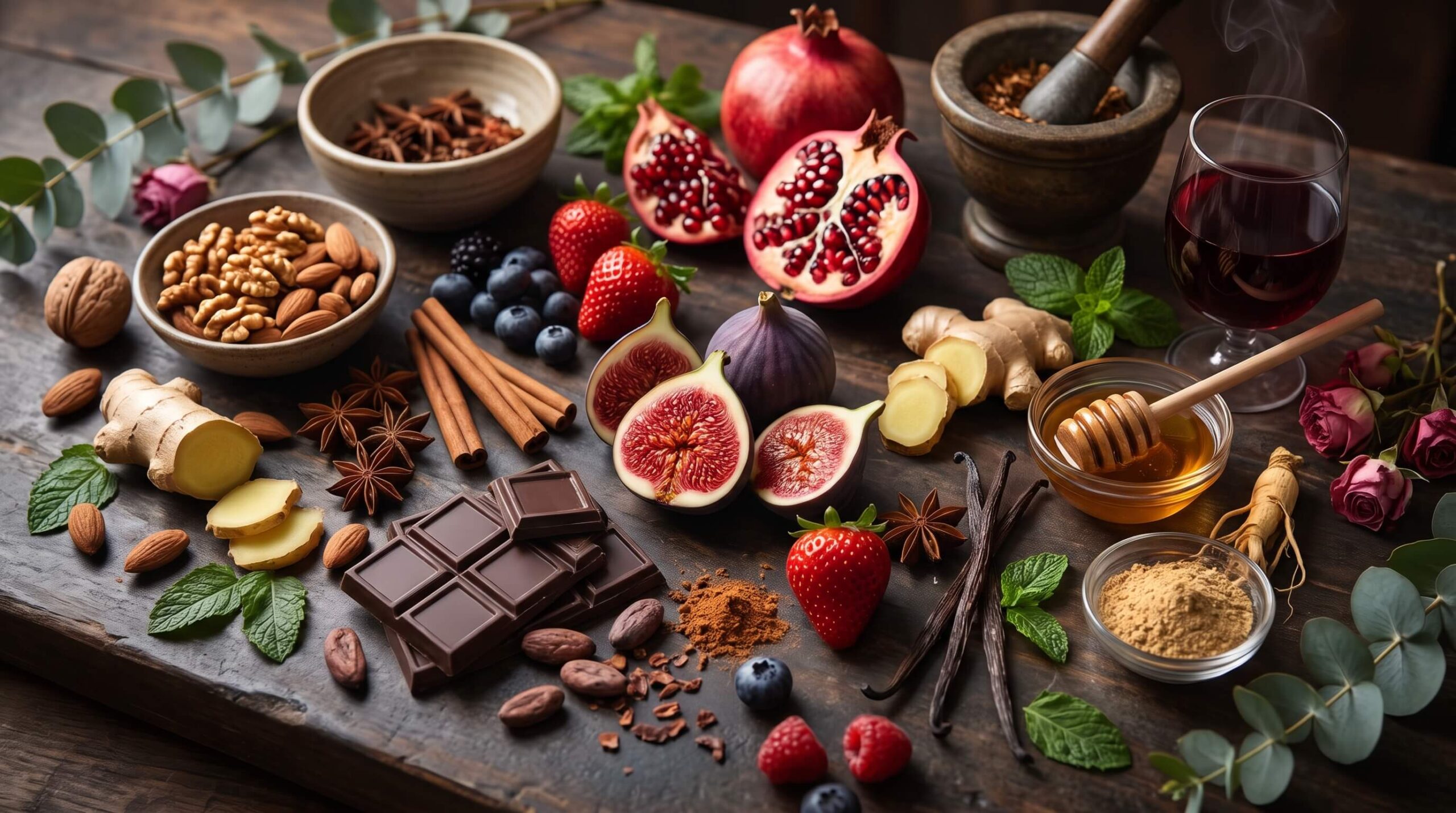
Throughout human history, people have turned to nature in search of ways to enhance desire, passion, and sexual vitality. Long before modern supplements and pharmaceuticals existed, ancient civilizations relied on specific foods and ingredients believed to ignite the flame of intimacy. Today, science is beginning to validate many of these age-old traditions, revealing that certain foods that naturally boost sex drive contain compounds capable of influencing hormones, blood flow, and neurochemistry. Whether you are looking to rekindle romance or simply support your overall sexual wellness, understanding the power of an aphrodisiac foods list is a great place to start.
What Makes a Food an Aphrodisiac?
The term “aphrodisiac” originates from Aphrodite, the Greek goddess of love. An aphrodisiac is any substance that increases sexual desire, performance, or pleasure. Foods earn this classification through a variety of mechanisms. Some boost testosterone or estrogen levels, while others improve blood circulation to the genitals. Certain foods reduce cortisol — the stress hormone that is one of the most common libido killers — while others stimulate the release of dopamine and serotonin, neurotransmitters closely linked with pleasure and arousal.
It is important to understand that aphrodisiac effects are rarely instantaneous or dramatic in isolation. Instead, they tend to build over time as part of a nutrient-rich diet that supports hormonal balance, cardiovascular health, and psychological well-being. That said, some foods do have measurable, short-term effects that make them worthy additions to a romantic dinner or a daily wellness routine. Exploring the world of aphrodisiacs can open up new possibilities for naturally enhancing your intimate life.
Top Aphrodisiac Foods for Men and Women
The aphrodisiac foods list spans cultures and continents, drawing from both ancient tradition and modern nutritional science. Here are some of the most well-researched and celebrated options:
Oysters are perhaps the most iconic aphrodisiac food. Rich in zinc, they play a crucial role in testosterone production in men and support reproductive health in women. Zinc deficiency has been directly linked to reduced libido, making oysters one of the most effective dietary tools for sexual wellness. They also contain rare amino acids such as D-aspartic acid and N-methyl-D-aspartate, which have been shown in animal studies to trigger the release of sex hormones.
Dark chocolate contains phenylethylamine (PEA), a compound associated with the feeling of falling in love. It also stimulates the release of serotonin and endorphins, promoting feelings of happiness and emotional closeness. Flavonoids in dark chocolate improve blood flow, which is essential for sexual arousal in both sexes. Choose varieties with at least 70% cacao content to maximize these benefits.
Maca root, a Peruvian adaptogen, has gained significant scientific attention. Multiple studies have found that maca supplementation can increase sexual desire in both men and women without directly altering hormone levels. It appears to work through the nervous system and may reduce sexual dysfunction associated with antidepressant use. This makes maca a versatile addition to the list of foods that naturally boost sex drive.
Avocados are loaded with vitamin E, potassium, and healthy monounsaturated fats, all of which support cardiovascular health and hormone production. The Aztecs called the avocado tree the “testicle tree,” recognizing its aphrodisiac properties centuries ago. Healthy fat intake is essential for the synthesis of sex hormones, making avocados a smart daily dietary choice.
Chili peppers contain capsaicin, the compound responsible for their heat. Capsaicin triggers the release of endorphins and increases heart rate, mimicking the physiological state of arousal. Regular consumption may also improve circulation and boost mood — both important components of a healthy sex drive.
Fenugreek is an herb commonly used in cooking and traditional medicine. Clinical studies suggest it can significantly increase libido and testosterone levels in men, and some research indicates similar benefits for women. It contains compounds called furostanolic saponins that are thought to stimulate sex hormone production.
Pomegranate is rich in antioxidants that protect blood vessels and improve circulation. Studies have shown that pomegranate juice can increase testosterone levels in both men and women, and it has been associated with enhanced mood and reduced cortisol. Its deep red color and lush seeds have made it a symbol of fertility and desire across many cultures.


Key Nutrients That Fuel Sexual Desire
Beyond specific foods, certain nutrients are fundamental to a healthy libido. Zinc supports testosterone production and sperm health. Vitamin D, often called the “sunshine vitamin,” has been linked to higher testosterone levels in men. Magnesium plays a role in over 300 enzymatic reactions in the body, including those governing sex hormone production. Omega-3 fatty acids found in fatty fish, flaxseeds, and walnuts reduce inflammation and support heart health, ensuring robust blood flow to sexual organs.
L-arginine, an amino acid found in nuts, seeds, and meat, is a precursor to nitric oxide — a molecule that relaxes blood vessels and increases blood flow, a mechanism similar to how some erectile dysfunction medications work. For men seeking targeted support, exploring aphrodisiacs for men that combine these key nutrients can be a highly effective strategy. Similarly, women looking to enhance desire and sensitivity may benefit greatly from dedicated aphrodisiacs for women formulated to address their unique hormonal and physiological needs.
Lifestyle Habits That Amplify Aphrodisiac Effects
No single food works in isolation. To truly harness the libido-boosting potential of an aphrodisiac diet, it helps to pair it with supportive lifestyle habits. Regular physical exercise improves circulation, increases testosterone, reduces anxiety, and boosts body confidence — all of which translate into a healthier sex life. Adequate sleep is equally critical; testosterone is primarily produced during deep sleep, and chronic sleep deprivation is a well-documented cause of low libido.
Stress management techniques such as meditation, yoga, and mindfulness lower cortisol levels, creating a hormonal environment more conducive to desire. Limiting alcohol consumption is also important — while a small amount may lower inhibitions, excessive drinking suppresses testosterone and impairs sexual function. Combining a diet rich in foods that naturally boost sex drive with these healthy habits creates a comprehensive and sustainable approach to sexual wellness.
Frequently Asked Questions
Do aphrodisiac foods really work?
Many aphrodisiac foods contain scientifically validated compounds that influence hormones, blood flow, and neurotransmitters associated with sexual arousal. While they may not produce dramatic instant results like pharmaceutical interventions, consistent consumption as part of a balanced diet can lead to meaningful improvements in libido and sexual satisfaction over time.
How quickly can I expect results from eating aphrodisiac foods?
The timeline varies depending on the food, individual health status, and lifestyle factors. Some effects, such as improved mood from dark chocolate or increased circulation from chili peppers, can be relatively immediate. Hormonal benefits from foods like oysters, maca, or fenugreek typically build over several weeks of regular consumption. Consistency is key to seeing lasting results.
Are there aphrodisiac foods specifically for women?
Yes. Foods rich in phytoestrogens (like flaxseeds and soy), magnesium, and zinc can be particularly beneficial for women’s libido by supporting hormonal balance. Maca root has shown strong evidence for increasing sexual desire in women, including those experiencing menopause-related decreases in libido. Dedicated formulations designed as aphrodisiacs for women can further optimize these benefits.
Can diet alone solve sexual dysfunction?
Diet is an important factor but is rarely the sole solution to sexual dysfunction, which can have psychological, relational, and medical roots. A nutritious, aphrodisiac-rich diet can meaningfully support sexual health, but it should be combined with medical evaluation if dysfunction is significant or persistent. A holistic approach that includes lifestyle, mental health support, and medical care is often most effective.
What foods should I avoid if I want to boost my libido?
Processed foods high in trans fats and sugar can impair blood circulation and hormone balance. Excessive alcohol reduces testosterone and impairs nervous system function. High quantities of soy-based products may have estrogen-mimicking effects in men. Refined carbohydrates spike insulin, which can disrupt hormonal equilibrium. Reducing or eliminating these foods can be just as important as adding aphrodisiac foods to your diet.
Medical Disclaimer
The information provided in this article is intended for general educational and informational purposes only and does not constitute medical advice. The content is not a substitute for professional medical consultation, diagnosis, or treatment. Always seek the guidance of a qualified healthcare provider before making changes to your diet, starting any supplement regimen, or addressing concerns related to sexual health or dysfunction. Individual results from dietary changes may vary significantly based on age, health status, medications, and other personal factors. Popper4you does not make any medical claims regarding the products mentioned or linked within this article. If you experience persistent sexual health concerns, please consult a licensed medical professional.