


Female Ejaculation (Squirting): What It Is and How to Experience It


Female ejaculation, commonly referred to as squirting, is one of the most discussed yet least understood aspects of human sexuality. Despite being surrounded by myths, misconceptions, and cultural taboos, squirting is a real, documented physiological response that many people with vaginas can experience. Whether you’re curious about your own body or looking to deepen your sexual experiences, this comprehensive beginner guide will walk you through everything you need to know — from the science behind squirting to practical techniques for experiencing it yourself.
What Is Female Ejaculation?
Female ejaculation refers to the expulsion of fluid from the urethra during sexual arousal or orgasm. It is not the same as urination, although the two share anatomical pathways. Research suggests that squirting fluid originates primarily from the Skene’s glands — small structures located near the urethra — as well as from the bladder. Studies have shown that this fluid contains PSA (prostate-specific antigen), urea, and creatinine, making its composition distinct from urine, though traces of urine may also be present.
It’s important to understand that not everyone who has a vagina will squirt, and that’s completely normal. The ability to ejaculate varies from person to person depending on anatomy, arousal levels, comfort, and technique. Squirting is neither a performance requirement nor a measure of sexual satisfaction — it is simply one of many ways the body can respond to pleasure.
The Anatomy Behind Squirting
Understanding your anatomy is the first step in learning how to squirt. The key player in female ejaculation is the Skene’s glands, sometimes called the female prostate. These glands are located on the anterior (front) wall of the vagina, near the area commonly known as the G-spot. When stimulated, the Skene’s glands fill with fluid and, under the right conditions, release it through the urethra.
The G-spot — technically a region rather than a single spot — is found approximately 2 to 3 inches inside the vaginal canal along the front wall. When aroused, this area becomes engorged and has a slightly ridged or spongy texture, making it easier to locate. Stimulating this region consistently and with appropriate pressure is the most reliable pathway to triggering female ejaculation.
How to Prepare for Your First Experience
Preparation is essential, especially if you are exploring squirting for the first time. Begin by creating a relaxed, comfortable environment. Anxiety and self-consciousness are the biggest obstacles to achieving any form of sexual release, so take time to set the mood. Dim lighting, soft music, and familiar surroundings can all help you feel at ease.
Hydration matters more than most people realize. Being well-hydrated can increase the volume of ejaculatory fluid your body produces. Additionally, emptying your bladder beforehand is recommended — not only for comfort, but because the pressure sensations associated with squirting can feel similar to needing to urinate, which may cause you to involuntarily hold back. Knowing your bladder is empty allows you to relax into the sensation rather than resist it. Laying down a waterproof blanket or towel will also remove any worry about mess, allowing you to stay present in the moment.
Techniques to Help You Squirt
The most effective approach to squirting involves consistent G-spot stimulation combined with clitoral arousal. Begin with external stimulation to build arousal before moving internally. Once you are sufficiently aroused, insert one or two fingers (or a curved toy designed for G-spot stimulation) into the vaginal canal with your palm facing upward. Curl your fingers in a “come hither” motion toward the front wall of the vagina. Apply firm, rhythmic pressure to the spongy area you feel there.
As arousal builds, you may notice an intensifying pressure or fullness. This is a good sign. Rather than resisting this feeling, lean into it. Many people stop themselves at this point because the sensation resembles the urge to urinate — but if you’ve already emptied your bladder, this feeling is actually the buildup of ejaculatory fluid. Combining this internal stimulation with clitoral and vaginal stimulation significantly increases the likelihood of ejaculation and enhances the overall intensity of the experience.

Breathing deeply and relaxing your pelvic floor muscles during stimulation is crucial. Tension in the pelvic region restricts fluid release. Practice bearing down slightly — similar to a Kegel in reverse — as you approach climax. This outward push, combined with sustained G-spot pressure, is often what finally triggers ejaculation.
The Role of Arousal and Mood Enhancement
Physical technique alone is rarely enough. Deep arousal is a prerequisite for squirting, and arousal is as much psychological as it is physical. Mental engagement, fantasy, trust with a partner, and emotional safety all play significant roles in whether the body can reach the level of arousal needed. If you find it difficult to fully relax or become sufficiently aroused, you may benefit from exploring natural arousal support.
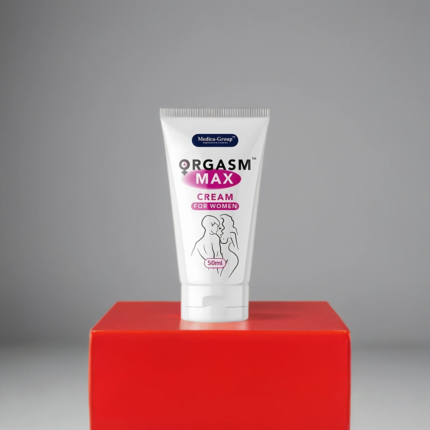
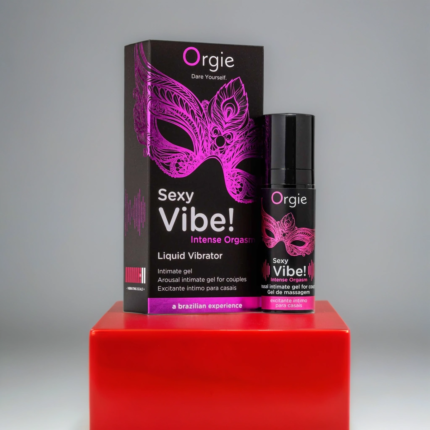
Some individuals find that aphrodisiacs for women can help increase sensitivity, improve blood flow to the genitals, and enhance the overall quality of arousal. These products, when used responsibly as part of a broader self-care and intimacy routine, may help lower inhibitions and encourage the body to respond more freely to stimulation. Always choose reputable, body-safe options and consult with a healthcare provider if you have any underlying health conditions.
Common Myths About Squirting
There is no shortage of misinformation surrounding female ejaculation. One of the most pervasive myths is that squirting is simply urination — as discussed, research confirms this is not entirely accurate. Another common misconception is that squirting always involves large volumes of fluid. In reality, the amount can range from a few drops to a more noticeable release, and both are perfectly normal. Volume does not indicate success or failure.
It is also a myth that only certain body types or “types” of women can squirt. While anatomy does vary and some people may find it easier than others, many individuals who have never squirted before are fully capable of doing so with the right knowledge and practice. Finally, squirting is not a guarantee of a better or more intense orgasm — many people find it deeply pleasurable, while others feel little difference. Both responses are completely valid.
Frequently Asked Questions
Is squirting the same as urinating?
No, squirting is not the same as urinating, although the fluid does pass through the urethra. Research has identified compounds such as PSA (prostate-specific antigen) in squirting fluid that are not present in urine, confirming a different origin. However, some urine may be present in the fluid due to shared anatomical pathways. This is entirely normal and not a cause for concern.
Does everyone with a vagina have the ability to squirt?
Not necessarily. While many people with vaginas have the anatomical structures required for ejaculation, the ability to squirt varies based on individual anatomy, arousal levels, comfort, and technique. Some people may ejaculate without realizing it, while others may never experience it. Neither outcome is abnormal or indicative of a problem.
How long does it take to learn how to squirt?
There is no fixed timeline. Some people experience squirting on their first intentional attempt, while others may need weeks or months of practice. Patience, self-exploration, and a relaxed mindset are your greatest allies. Rushing or focusing too intensely on the outcome can actually hinder the process by increasing tension and anxiety.
Does squirting always happen during orgasm?
Not always. Some people squirt during orgasm, while others may experience ejaculation before or independently of orgasm. The two events can be related but are not necessarily the same physiological response. You may also have an orgasm without squirting, which is equally pleasurable and valid.
Are there any risks associated with squirting?
Squirting itself carries no inherent health risks. However, it is important to use clean, body-safe toys if incorporating them into your practice, maintain good hygiene, and listen to your body. If you experience any pain, discomfort, or unusual symptoms during sexual activity, consult a healthcare professional.
Medical Disclaimer
The information provided in this article is intended for educational and informational purposes only and does not constitute medical advice, diagnosis, or treatment. Sexual health experiences vary greatly between individuals, and what works for one person may not work for another. If you have concerns about your sexual health, experience pain during sexual activity, or have underlying medical conditions that may affect your sexual function, please consult a qualified healthcare professional or licensed sex therapist. The mention of any products or supplements in this article is not intended as a medical endorsement. Always research products thoroughly and consult with a healthcare provider before using any arousal-enhancing substances or supplements.
Source of Featured Image Photo by Jennifer Lim-Tamkican on Unsplash